When it comes to being a Care Manager at Public Guardian Services, Betsy Frye is clear: “It’s the only agency I’d ever work for. We’re social workers first.”
Betsy’s career began far from elder care. Before joining PGS, she spent twenty years in Child Protective Services, worked in a therapeutic preschool, and supported children and families at a domestic violence shelter. For years, she thought she’d spend her life in that world — until burnout caught up.
The break coincided with a personal loss: the death of her father in early 2020. Being unemployed meant she could sit by his side during his final days. It was a harsh but beautiful reminder of what it means to support someone at the end of their life. A month later, a colleague sent her the PGS job listing. She never expected to work with elders, but the timing made it clear.
“Things happen for a reason,” she says.
At PGS, Betsy and her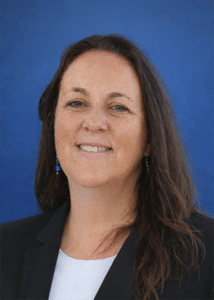 colleagues are known as “guardians of last resort,” stepping in for the unbefriended when no family can or will. To her, guardianship is far more than legal paperwork or reporting. It’s about intimacy and going beyond the call of duty. She can tell you which of her twenty-two clients likes Splenda with their coffee or who trained in Parris Island. Providers tell her often that they’ve never seen guardians even show up to the hospital, let alone ask what kind of food a client can eat so she can surprise them with McDonald’s. To her, those aren’t extras. They’re the work.
It’s not easy. Many of her clients are unpleasant, combative, or deeply prejudiced. Some have long histories of abuse that fractured their families beyond repair. But Betsy believes, as she did with children, that the ones who are the hardest to love usually need it the most.
“People make mistakes. This is generational dysfunction,” she says. “It’s not black and white.”
She remembers Michael, a schizophrenic man with severe behavioral issues who once called her eighty times over a single weekend, hurling curses and threats one moment and pleading for help the next. He described himself as a “monster,” convinced people crossed the street to avoid him. Staff kept their distance, but Betsy learned his rhythms. She brought him a tuna sandwich on rye when he asked, set up a tiny Christmas tree in his room, and fought to have him moved when a loud roommate made it impossible for him to sleep. Small things family would do — the kinds of things he didn’t have. By the end, Michael hugged her every time she visited. When cancer finally took him, Betsy found comfort knowing his last
months were steady: he was fed, cared for, and seen. Not forgotten or left behind.
Her advocacy goes beyond medical decisions. When she learned a client had been left waiting for hours to be changed, pressing her call button while her daughter-in-law watched helplessly on FaceTime, Betsy dropped everything to see her in person. She filed grievances, met with staff, and made sure the client knew she wasn’t alone.
“It’s essential that they know somebody cares. Those are the things we do that aren’t in the job description,” she says.
Ultimately, Betsy believes the work requires patience and that love goes a long way. It’s listening to her clients rant, giving them space to be angry that their bodies are failing, and trying to bring them a small measure of comfort in the process.
And when the end comes, Betsy visits them in their last days, holds their hands, strokes their hair, and reminds them of the truth at the heart of her work: “I am so privileged that I got to meet you. I am so grateful that you let me work with you. I will never forget you. You will never be forgotten.”
And in that way, Betsy’s story reminds us that everyone deserves to be seen.